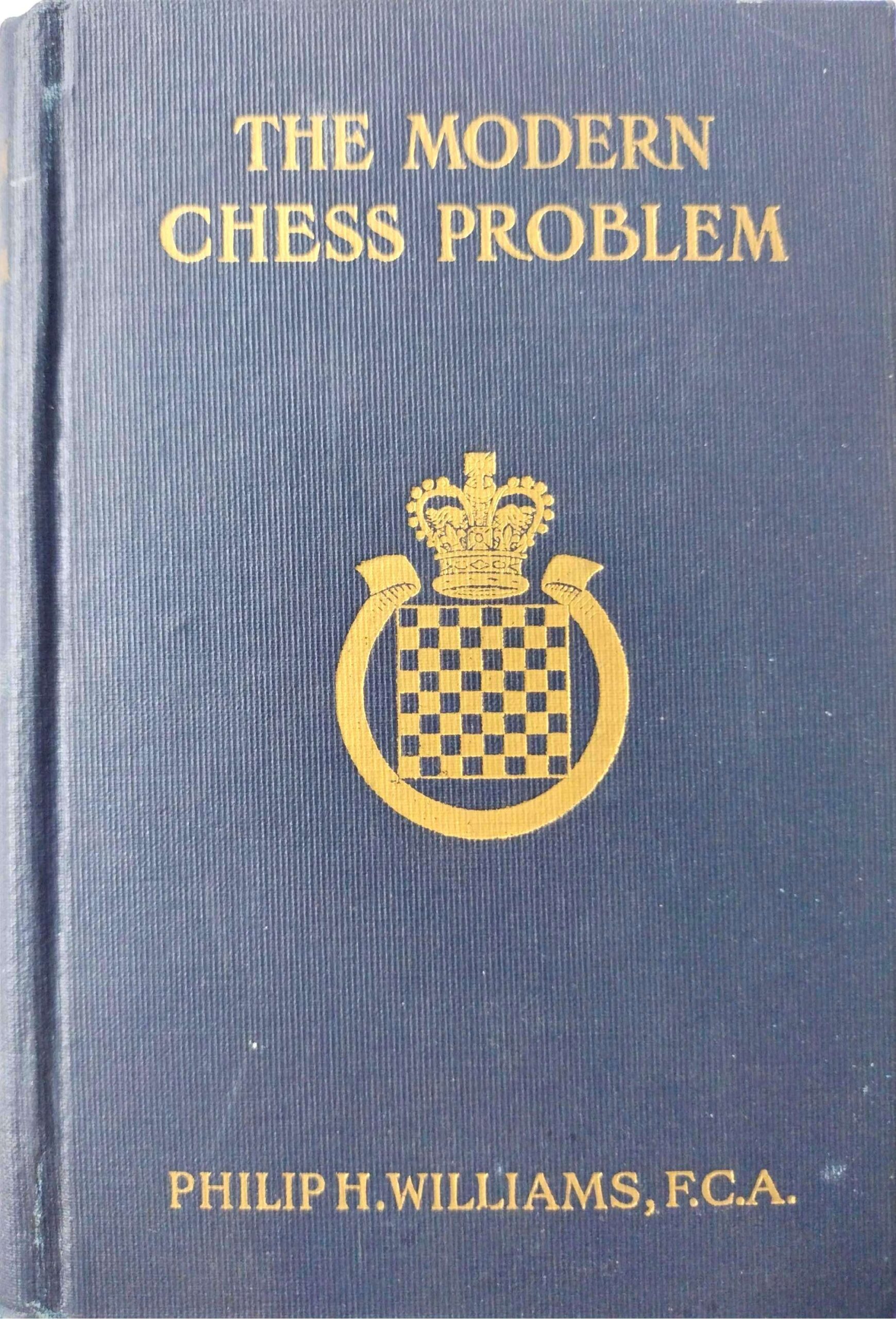


The Modern Chess Problem
Starting bid: $50.00
Item condition: Used
Ending: June 14, 2026 8:00 pm
Timezone: America/New_York
- Shipping : Less than one week
The Modern Chess Problem — David McKay, Philadelphia (1912)
Condition: Good condition hardcover
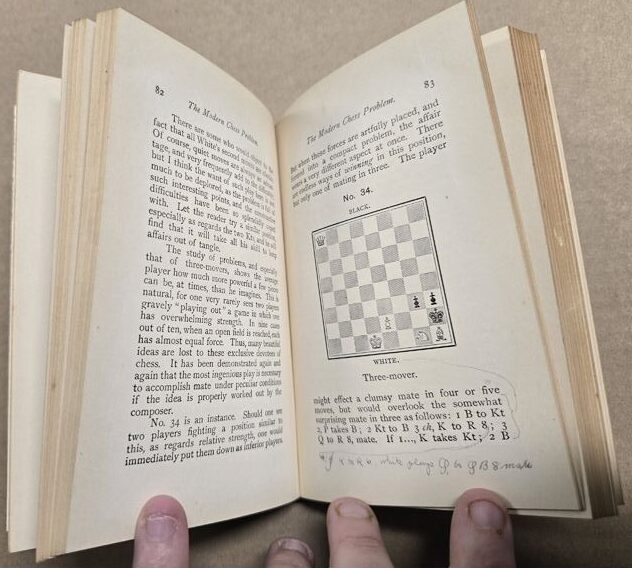
The Modern Chess Problem is a classic early 20th‑century work on the art and technique of chess problem composition, published by David McKay, Philadelphia, in 1912. This 252‑page hardcover presents a wide range of composed positions—from straightforward instructional examples to more complex and challenging problems—making it valuable for both beginners and experienced solvers.
The book explains the principles behind effective chess composition, showing how problems are constructed with clear ideas, tactical themes, artistic structure, and purposeful design. Through its extensive selection of examples, readers gain insight into how to approach composed positions, recognize thematic ideas, and appreciate the creativity behind problem construction.
A significant contribution to early 20th‑century chess literature, this volume remains a useful study resource and an appealing collectible. Its blend of instructional clarity and artistic composition makes it especially valuable for:
- Chess problem enthusiasts
- Students of composition and tactical themes
- Collectors of early chess literature
- Historians studying the evolution of problem art
A desirable and increasingly scarce volume. Historical demand and limited supply make these books rare and expensive.
The Modern Chess Problem — David McKay, Philadelphia (1912)
Condition: Good condition hardcover
The Modern Chess Problem is a classic early 20th‑century work on the art and technique of chess problem composition, published by David McKay, Philadelphia, in 1912. This 252‑page hardcover presents a wide range of composed positions—from straightforward instructional examples to more complex and challenging problems—making it valuable for both beginners and experienced solvers.
The book explains the principles behind effective chess composition, showing how problems are constructed with clear ideas, tactical themes, artistic structure, and purposeful design. Through its extensive selection of examples, readers gain insight into how to approach composed positions, recognize thematic ideas, and appreciate the creativity behind problem construction.
A significant contribution to early 20th‑century chess literature, this volume remains a useful study resource and an appealing collectible. Its blend of instructional clarity and artistic composition makes it especially valuable for:
- Chess problem enthusiasts
- Students of composition and tactical themes
- Collectors of early chess literature
- Historians studying the evolution of problem art
A desirable and increasingly scarce volume. Historical demand and limited supply make these books rare and expensive.
Similar Products