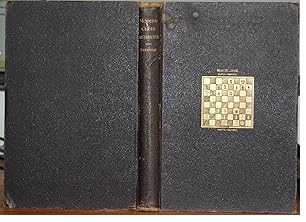
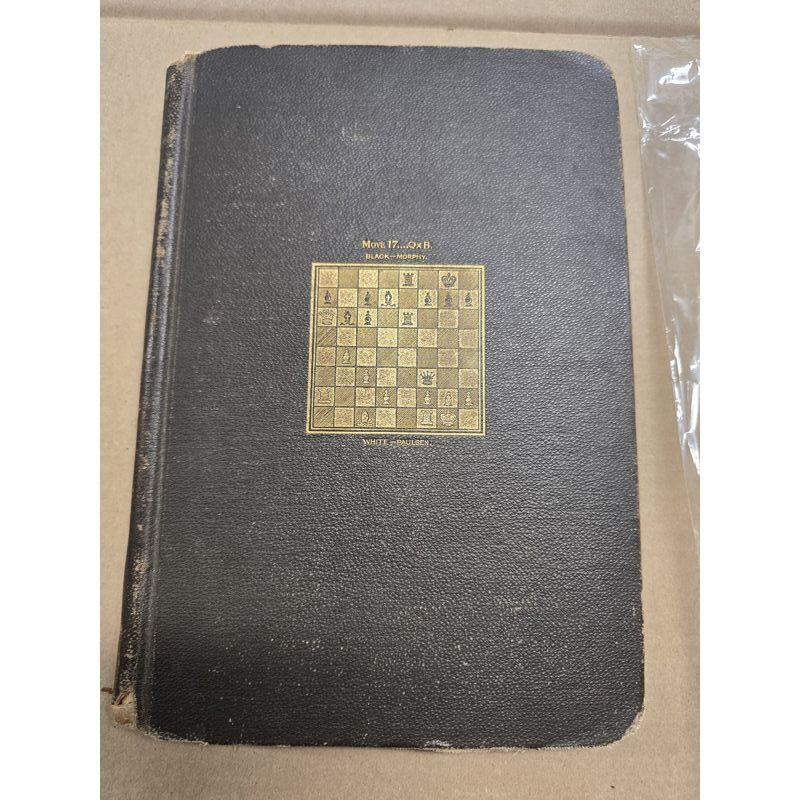
The Modern Chess Instructor by Wilhelm Steinitz
Starting bid: $75.00
Item condition: Used
Ending: June 14, 2026 8:00 pm
Timezone: America/New_York
- Shipping : Less than one week
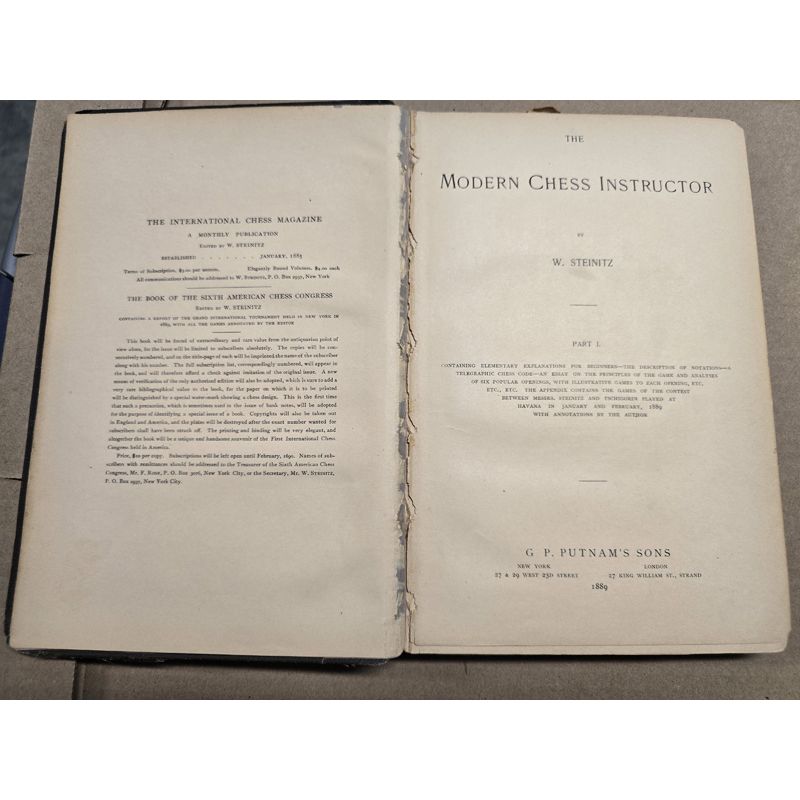
The Modern Chess Instructor — Wilhelm Steinitz (1889)
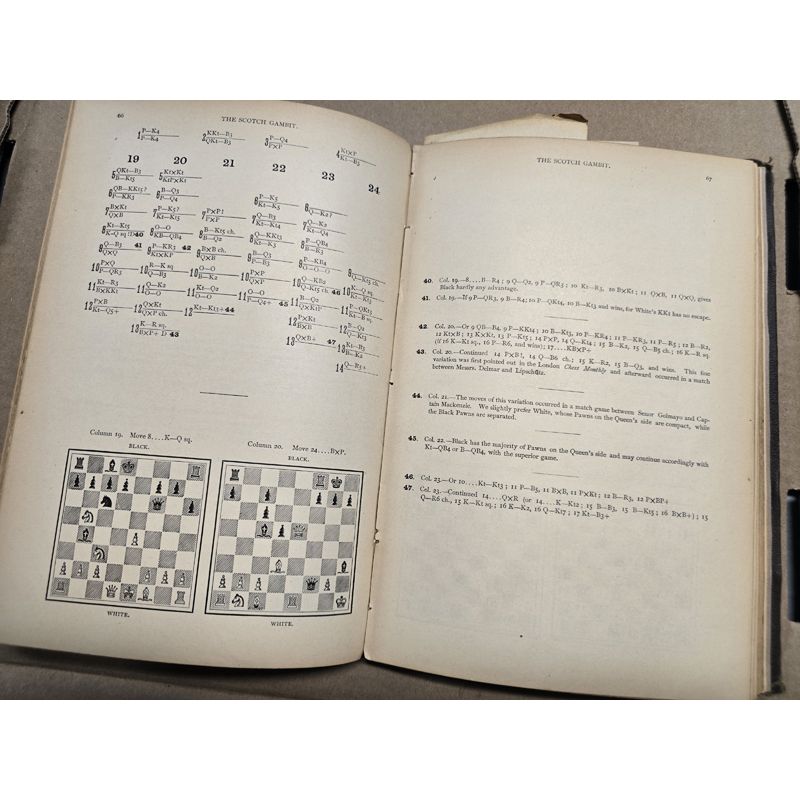
The Modern Chess Instructor by Wilhelm Steinitz, first published in 1889, is one of the most influential works in the history of chess theory. Widely regarded as the foundational text of modern positional chess, this book marks the moment when chess transitioned from romantic, tactical play to a disciplined, scientific approach.
Steinitz introduces the core principles that shaped all later chess understanding, including:
- Positional advantage and the accumulation of small edges
- Pawn structure as the backbone of strategy
- King safety as a central strategic factor
- Long‑term planning based on logic rather than intuition
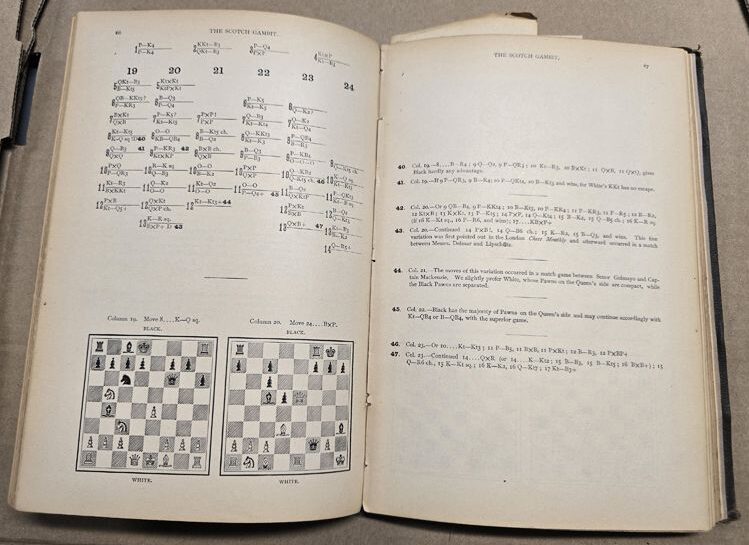
The book also includes annotated games that demonstrate how these principles function in practice, allowing readers to follow Steinitz’s reasoning move by move. His explanations laid the groundwork for the strategic ideas later refined by players such as Lasker, Capablanca, and Nimzowitsch.
A cornerstone of chess literature, The Modern Chess Instructor remains essential for anyone studying the origins of positional play and the evolution of modern chess thought.
A valuable volume for chess students, historians, and collectors, especially those interested in early theoretical works. Historical
Note: demand and limited supply makes this book rare and expensive.
The Modern Chess Instructor — Wilhelm Steinitz (1889)
The Modern Chess Instructor by Wilhelm Steinitz, first published in 1889, is one of the most influential works in the history of chess theory. Widely regarded as the foundational text of modern positional chess, this book marks the moment when chess transitioned from romantic, tactical play to a disciplined, scientific approach.
Steinitz introduces the core principles that shaped all later chess understanding, including:
- Positional advantage and the accumulation of small edges
- Pawn structure as the backbone of strategy
- King safety as a central strategic factor
- Long‑term planning based on logic rather than intuition
The book also includes annotated games that demonstrate how these principles function in practice, allowing readers to follow Steinitz’s reasoning move by move. His explanations laid the groundwork for the strategic ideas later refined by players such as Lasker, Capablanca, and Nimzowitsch.
A cornerstone of chess literature, The Modern Chess Instructor remains essential for anyone studying the origins of positional play and the evolution of modern chess thought.
A valuable volume for chess students, historians, and collectors, especially those interested in early theoretical works. Historical
Note: demand and limited supply makes this book rare and expensive.
Similar Products
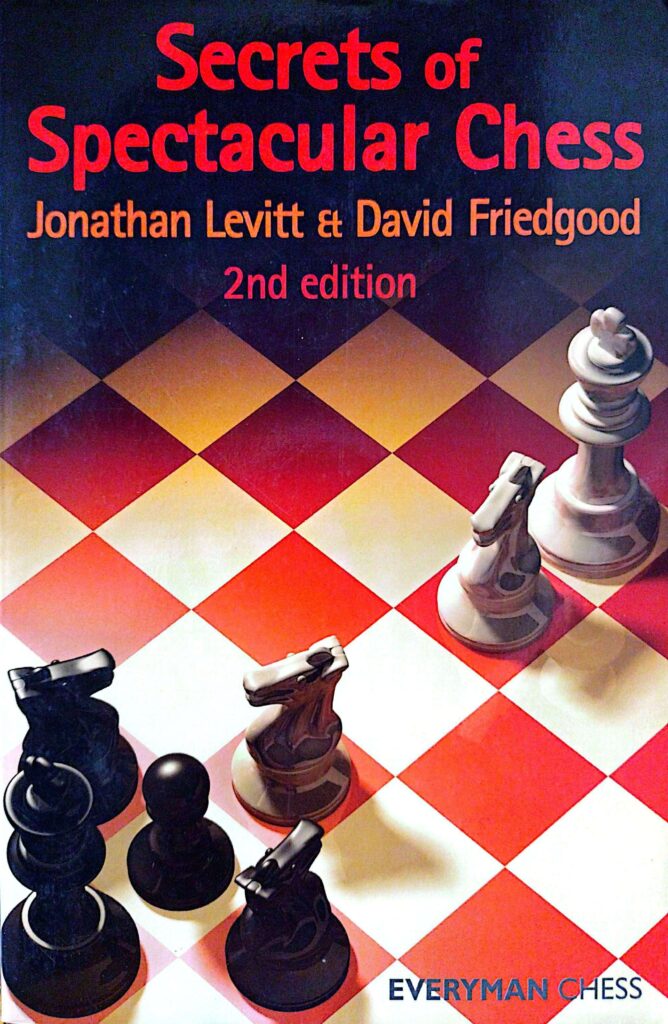
Secrets of Spectacular Chess by Jonathan Levitt and David Friedgood
- Starting bid: $12.00