
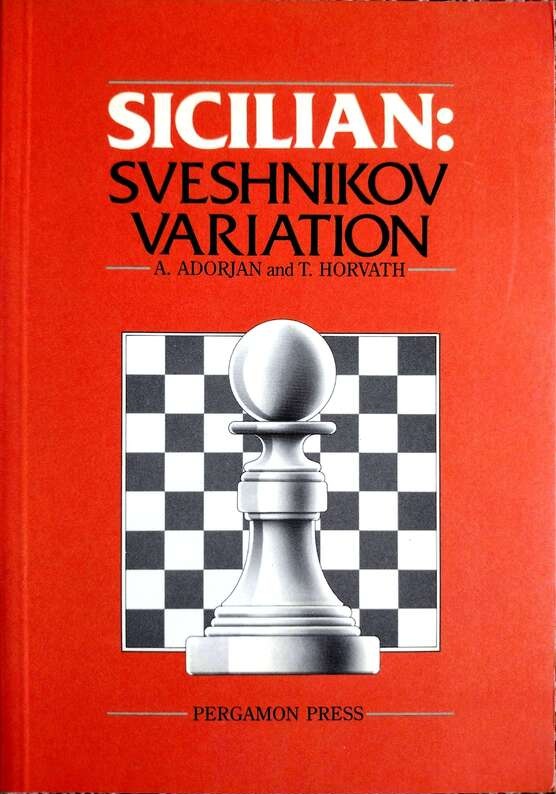
Sicilian: Sveshnikov Variation by András Adorján and Tamás Horváth
Starting bid: $10.00
Item condition: Used
Ending: June 28, 2026 12:00 am
Timezone: America/New_York
- Shipping : Less than one week
Sicilian: Sveshnikov Variation by András Adorján and Tamás Horváth
Written by Grandmasters András Adorján and Tamás Horváth, this detailed opening guide examines the Sicilian Sveshnikov Variation, one of the most dynamic and strategically rich systems of the Sicilian Defence. The book provides an in-depth study of the ideas, plans, and theoretical developments behind Black’s ambitious choice of 5…e5, accepting structural weaknesses in exchange for active piece play, central control, and strong counterattacking chances.
The authors explain the strategic foundations of the Sveshnikov, including how Black handles the weak d5-square, the bishop pair advantage, and the resulting imbalanced pawn structures. Through analysis and practical examples, readers learn how to navigate the sharp positions that make the Sveshnikov a powerful weapon at all levels of competitive chess.
Topics Covered
- Sicilian Sveshnikov Variation fundamentals
- Main line after 5…e5
- Chelyabinsk Variation ideas
- Typical pawn structures and weaknesses
- The battle for the d5-square
- Black’s counterattacking plans
- White’s central and kingside attacking ideas
- Strategic use of the bishop pair
- Tactical opportunities in sharp positions
- Transition from opening to middlegame
Key Features
- Detailed study of the Sveshnikov Sicilian
- Deep explanation of strategic ideas and plans
- Analysis of important theoretical variations
- Focus on dynamic counterplay for Black
- Practical examples and instructive positions
- Explains the compensation behind Black’s structural weaknesses
- Useful resource for serious Sicilian players
- Written by experienced opening specialists András Adorján and Tamás Horváth
Recommended For
Club players, tournament competitors, Sicilian Defence players, and advanced opening students who want to master the Sveshnikov Variation, improve their understanding of dynamic positions, tactical calculation, and strategic counterplay, and add one of the most respected 1.e4 defenses to their repertoire.
Sicilian: Sveshnikov Variation by András Adorján and Tamás Horváth
Written by Grandmasters András Adorján and Tamás Horváth, this detailed opening guide examines the Sicilian Sveshnikov Variation, one of the most dynamic and strategically rich systems of the Sicilian Defence. The book provides an in-depth study of the ideas, plans, and theoretical developments behind Black’s ambitious choice of 5…e5, accepting structural weaknesses in exchange for active piece play, central control, and strong counterattacking chances.
The authors explain the strategic foundations of the Sveshnikov, including how Black handles the weak d5-square, the bishop pair advantage, and the resulting imbalanced pawn structures. Through analysis and practical examples, readers learn how to navigate the sharp positions that make the Sveshnikov a powerful weapon at all levels of competitive chess.
Topics Covered
- Sicilian Sveshnikov Variation fundamentals
- Main line after 5…e5
- Chelyabinsk Variation ideas
- Typical pawn structures and weaknesses
- The battle for the d5-square
- Black’s counterattacking plans
- White’s central and kingside attacking ideas
- Strategic use of the bishop pair
- Tactical opportunities in sharp positions
- Transition from opening to middlegame
Key Features
- Detailed study of the Sveshnikov Sicilian
- Deep explanation of strategic ideas and plans
- Analysis of important theoretical variations
- Focus on dynamic counterplay for Black
- Practical examples and instructive positions
- Explains the compensation behind Black’s structural weaknesses
- Useful resource for serious Sicilian players
- Written by experienced opening specialists András Adorján and Tamás Horváth
Recommended For
Club players, tournament competitors, Sicilian Defence players, and advanced opening students who want to master the Sveshnikov Variation, improve their understanding of dynamic positions, tactical calculation, and strategic counterplay, and add one of the most respected 1.e4 defenses to their repertoire.
Similar Products

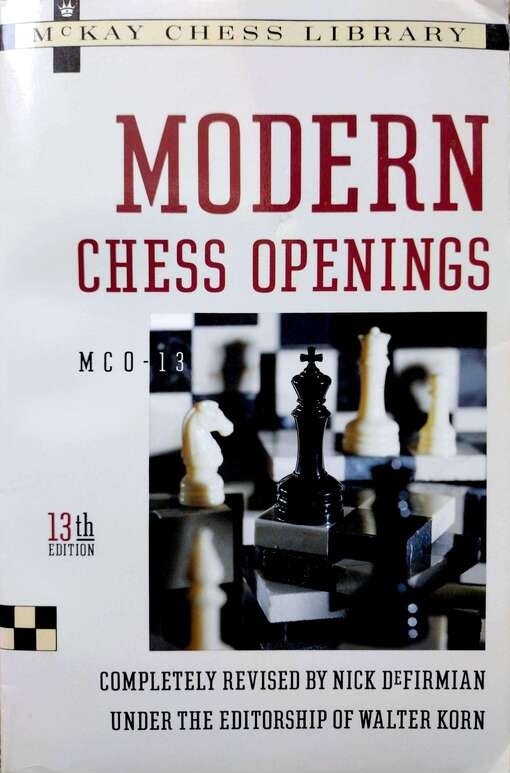
Modern Chess Openings (MCO-13) by Walter Korn and Nick de Firmian
- Starting bid: $12.00

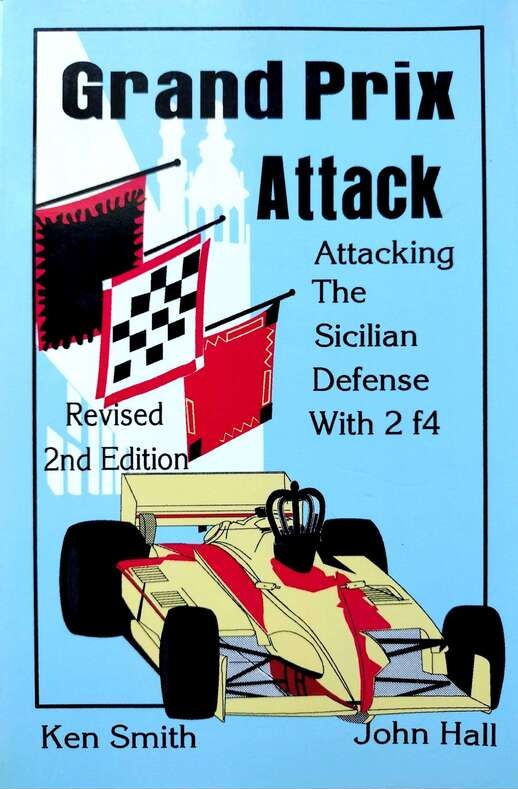
Grand Prix Attack (Revised 2nd Edition) by Ken Smith and John Hall
- Starting bid: $9.00