
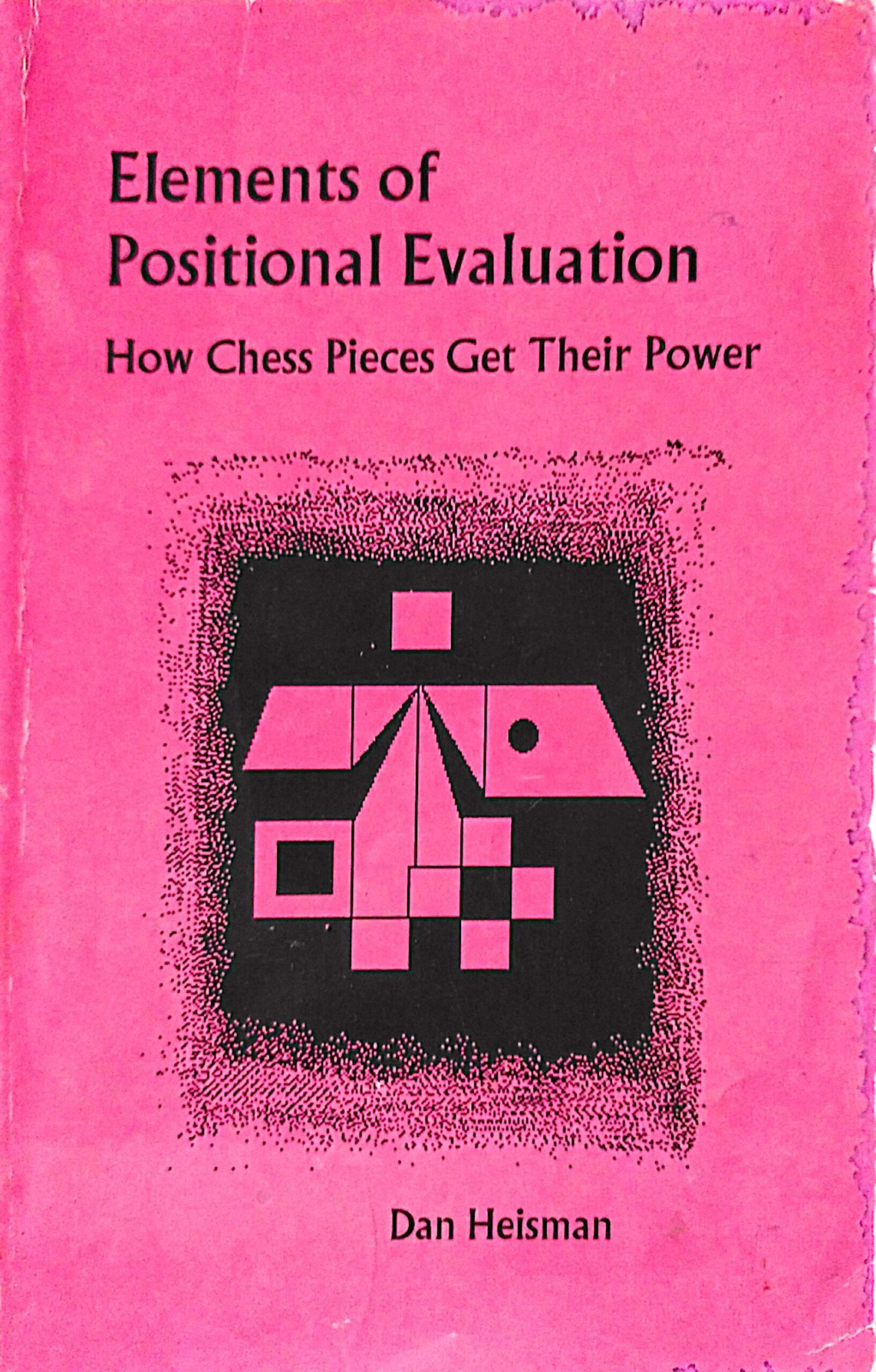

Elements of Positional Evaluation: How Chess Pieces Get Their Power by Dan Heisman
Starting bid: $6.00
Item condition: Used
Ending: June 14, 2026 8:00 pm
Timezone: America/New_York
- Shipping : Less than one week
Elements of Positional Evaluation: How Chess Pieces Get Their Power by Dan Heisman is a foundational instructional book focused on how to evaluate chess positions accurately and practically.
The book explains how the strength of chess pieces depends on positional factors such as mobility, coordination, safety, and activity, rather than just material value or abstract rules.
Heisman breaks down key elements of evaluation including piece placement, king safety, pawn structure, space advantage, and initiative, showing how these factors interact in real positions.
A central theme is that players often misjudge positions because they focus too much on tactics or material, while ignoring long-term positional imbalances.
The book emphasizes practical thinking methods, teaching readers how to evaluate positions step by step and choose plans based on who has the better piece activity and coordination.
A highly useful resource for club and improving players aiming to strengthen positional understanding, evaluation skills, and practical decision-making in real games.
Elements of Positional Evaluation: How Chess Pieces Get Their Power by Dan Heisman is a foundational instructional book focused on how to evaluate chess positions accurately and practically.
The book explains how the strength of chess pieces depends on positional factors such as mobility, coordination, safety, and activity, rather than just material value or abstract rules.
Heisman breaks down key elements of evaluation including piece placement, king safety, pawn structure, space advantage, and initiative, showing how these factors interact in real positions.
A central theme is that players often misjudge positions because they focus too much on tactics or material, while ignoring long-term positional imbalances.
The book emphasizes practical thinking methods, teaching readers how to evaluate positions step by step and choose plans based on who has the better piece activity and coordination.
A highly useful resource for club and improving players aiming to strengthen positional understanding, evaluation skills, and practical decision-making in real games.
Similar Products

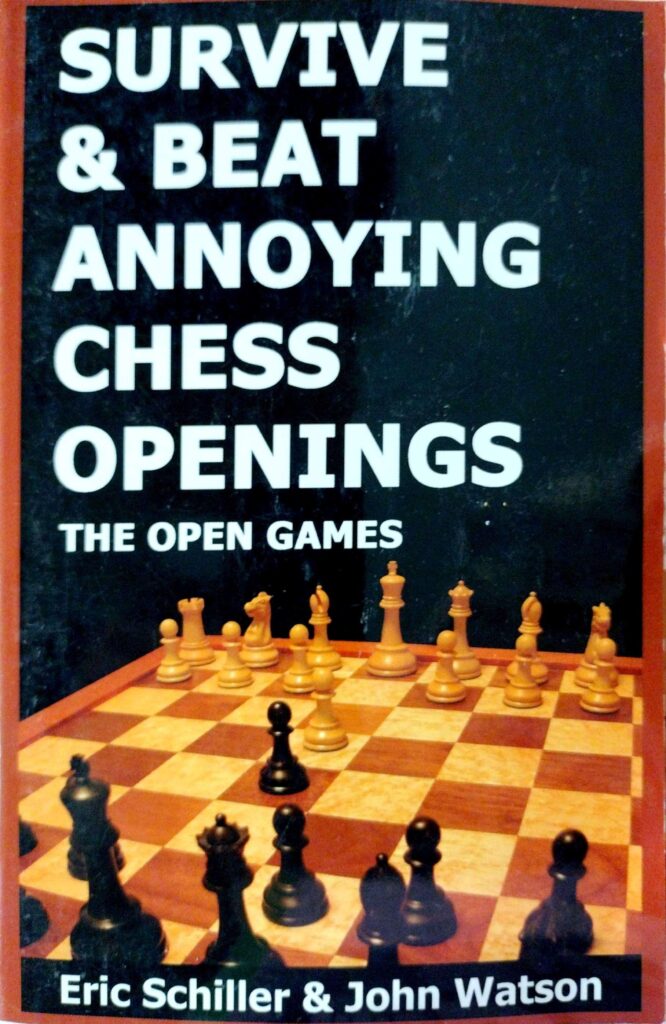
Survive & Beat Annoying Chess Openings by Eric Schiller and John Watson
- Starting bid: $9.00