
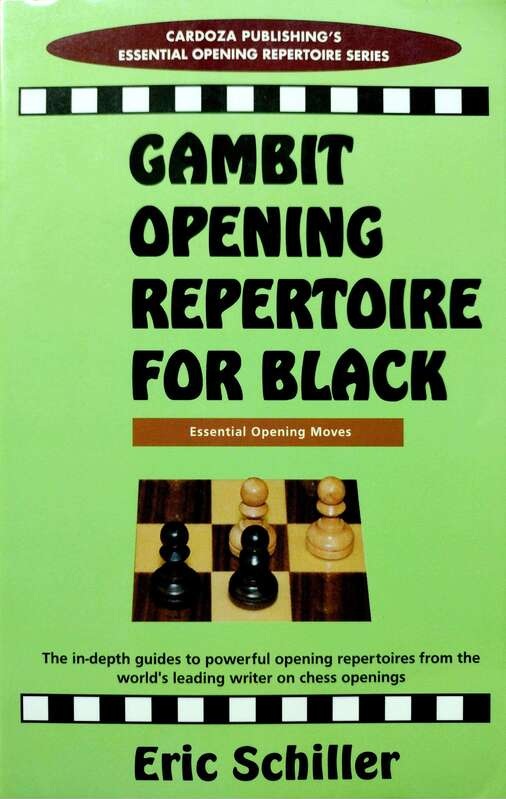
Gambit Openings Repertoire For Black by Eric Schiller
Starting bid: $5.00
Item condition: Used
Ending: June 28, 2026 8:00 pm
Timezone: America/New_York
- Shipping : Less than one week
Gambit Openings Repertoire For Black by Eric Schiller
Part of the Essential Opening Repertoire Series, this practical guide by renowned chess author Eric Schiller presents an aggressive and dynamic opening repertoire for Black based on a variety of gambit systems. Designed for players who prefer active, attacking chess, the book demonstrates how Black can challenge White from the very first moves by prioritizing initiative, rapid development, and tactical opportunities over material considerations.
Drawing on a range of sharp opening ideas, Schiller explains the strategic and tactical principles behind each gambit, helping readers understand not only the moves but also the plans and attacking themes that make these systems effective. The emphasis is on creating practical winning chances, unsettling opponents, and steering the game into positions where preparation and active play can yield powerful results.
Topics Covered
- Scandinavian Gambit and related systems
- Icelandic Gambit ideas
- Schara Gambit against 1.d4
- Albin Countergambit concepts
- Gambit responses to Queen’s Gambit setups
- Defenses against flank openings
- Sacrificing material for initiative and development
- Rapid attacking play and tactical opportunities
- Common gambit themes and motifs
- Building a complete Black opening repertoire
Key Features
- Complete gambit repertoire for Black
- Focus on aggressive and active play
- Clear explanations of key strategic and tactical ideas
- Practical opening recommendations
- Numerous illustrative examples and variations
- Emphasis on gaining the initiative early
- Suitable for tournament and club play
- Part of the Essential Opening Repertoire Series
Recommended For
Club players, tournament competitors, gambit enthusiasts, and attacking players who want to develop an aggressive Black repertoire, create early complications, and improve their understanding of initiative, development, and dynamic chess play
Gambit Openings Repertoire For Black by Eric Schiller
Part of the Essential Opening Repertoire Series, this practical guide by renowned chess author Eric Schiller presents an aggressive and dynamic opening repertoire for Black based on a variety of gambit systems. Designed for players who prefer active, attacking chess, the book demonstrates how Black can challenge White from the very first moves by prioritizing initiative, rapid development, and tactical opportunities over material considerations.
Drawing on a range of sharp opening ideas, Schiller explains the strategic and tactical principles behind each gambit, helping readers understand not only the moves but also the plans and attacking themes that make these systems effective. The emphasis is on creating practical winning chances, unsettling opponents, and steering the game into positions where preparation and active play can yield powerful results.
Topics Covered
- Scandinavian Gambit and related systems
- Icelandic Gambit ideas
- Schara Gambit against 1.d4
- Albin Countergambit concepts
- Gambit responses to Queen’s Gambit setups
- Defenses against flank openings
- Sacrificing material for initiative and development
- Rapid attacking play and tactical opportunities
- Common gambit themes and motifs
- Building a complete Black opening repertoire
Key Features
- Complete gambit repertoire for Black
- Focus on aggressive and active play
- Clear explanations of key strategic and tactical ideas
- Practical opening recommendations
- Numerous illustrative examples and variations
- Emphasis on gaining the initiative early
- Suitable for tournament and club play
- Part of the Essential Opening Repertoire Series
Recommended For
Club players, tournament competitors, gambit enthusiasts, and attacking players who want to develop an aggressive Black repertoire, create early complications, and improve their understanding of initiative, development, and dynamic chess play
Similar Products